Envelope of Pictures Everyone Wanted to Open
Key Takeaways
- Photographs serve as irreplaceable memories, reminding us of loved ones and special moments; yet many remain tucked away in boxes or albums.
- Unlike unused items like cookbooks or gym equipment, old photographs document history and evoke nostalgia, becoming more valuable over time.
- Digitizing old photos can preserve precious memories from fading or being lost, especially as we age and our memories shift.
- People often overlook digital photos; they easily get buried under endless files, making it crucial to organize and maintain them.
- Start scanning old photos, including images your family would be heartbroken to lose, to ensure they are protected and cherished.
Estimated reading time: 9 minutes
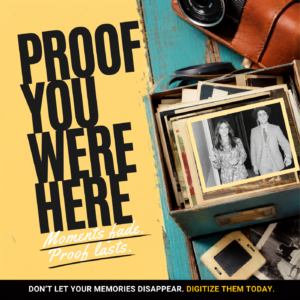 Remember those times when you paid for film and patiently waited for days to see your photos after taking them to a photo lab? You might have laughed over the prints at the kitchen counter before tucking them away for years. It might sound a bit funny now, but those old photographs were more than just pictures. They were reminders that the vacation truly happened, that loved ones gathered together, that the little ones grew up, and that those we miss were once right there with us.
Life before digital had one strange little ritual most people still remember.
You bought film, loaded the camera, and thought twice before taking a picture because every shot cost money. You took the vacation photo, the birthday photo, the Christmas morning photo, the new baby photo, the blurry backyard barbecue photo, and the random family dinner photo nobody thought would matter later.
Then you dropped the roll off at the photo lab counter and waited. A few days later, someone found that paper envelope and took it home. They gathered around the kitchen table or leaned over the counter, passing the prints among themselves, sharing laughs over funny haircuts, closed eyes, sunburned faces, and the one special picture that made the entire roll memorable.
Here’s the strange part.
After all that waiting, paying, hoping, and laughing, many of those pictures went into a cabinet, drawer, shoebox, album, garage bin, or hallway closet and were seen again only rarely.
The Weird Contradiction Nobody Talks About
We invest in capturing our special moments, then carefully store the evidence of those times. It’s such a deeply human experience, full of both joy and a touch of mystery. Families save for trips, snap photos at every beautiful spot, eagerly wait for the film to be returned, smile at the printed pictures, share stories, and then gently tuck those memories away in secret places, out of anyone’s view.
It happened with birthdays, weddings, graduations, summer trips, first apartments, school plays, hospital visits, family reunions, and everyday moments that seemed too ordinary to matter at the time.
Years later, those ordinary pictures can be the ones that hit hardest because the people in them are different now, the rooms are gone, and the voices around that table may no longer be here.
The Cookbook Nobody Really Used
People do this with other things too, which is what makes the photography part so interesting.
Someone buys a beautiful cookbook and imagines a whole better version of dinner. Fresh bread. Homemade sauce. Sunday meals. Friends around the table. Maybe even a new family tradition. For a week or two, the book sits out where everyone can see it. Then it moves to a shelf. Then it gets pushed behind other books. Years pass, and the cookbook becomes less about cooking and more about the person someone hoped they would become.
The same thing often happens with treadmills bought in January, guitars purchased during a moment of excitement, scrapbooking supplies, language programs, fancy planners, bread machines, and all the things people pick up because they’re excited about a better version of themselves. Mine was a make-your-own ice cream maker. I used it once, only to realize that the ingredients cost way more and it was such a hassle, compared to buying a pint of Ben & Jerry’s Chocolate Chip Cookie Dough.
But Photographs Are Different
Those other things are plans, wishes, hobbies, or good intentions. Photographs are the record of what has already happened.
Why Photographs Are Not Like the Other Stuff
A cookbook can sit unused for 20 years, and nothing irreplaceable is lost. A treadmill can become a clothes rack and still be sold. A guitar can disappear into a closet and later find another home.
That one picture of your mother dancing barefoot in the kitchen is truly unique and can’t be recreated. The image of your grandfather holding your hand in a parking lot is also irreplaceable. The home movie where relatives pass by across the screen, even after their voices are gone, is something special you can’t order again. That’s why calling old photographs “clutter” really misses the point—it’s a reminder of precious moments they hold.
They may be stored badly, disorganized, mixed in with duplicates, envelopes, faded prints, and mystery faces nobody can name anymore. But inside those boxes is something far more important than old paper. It is the visual record of your family’s life.
Gen Z embracing physical photographs, printing twice as many snaps as other generations
The Picture You Ignore Today May Become the One You Need Later
A funny thing happens as people get older. The pictures change.
That vacation photo you once overlooked because everyone looked tired suddenly becomes a precious memory of everyone being together. The birthday picture, even if taken in poor lighting, becomes the last shot of someone smiling before they faced an illness. The snapshot of a cozy living room becomes the only keepsake of the house where so much of your childhood unfolded. People tend to notice the background first—the couch, the wallpaper, the toys on the floor, the old car in the driveway, the handwriting on the cake, or the kitchen table where everyone gathered before life took them on different paths—across cities, marriages, moves, losses, and long stretches between visits.
The photograph did not become more important because the paper changed. It became more important because life did.
Digitize the Moments Before They Become Mysteries
Digitize your photographs, slides, negatives, and home movies now while the people who know the names, places, dates, voices, and stories behind them are still here to help your family remember.
Why Losing Photos Feels So Different
When someone loses a television in a fire, it is awful, but a television can be replaced. When a phone breaks, people are upset, but eventually, there is another phone. Family photographs are different because people are not only losing an object. They are losing proof.
They are losing the vacation everyone still talks about. Images of a parent before age changed them. They are losing the backyard, the old house, the family dog, the wedding table, the baby blanket, and the faces of people who can no longer pose for another picture. That is why people cry over photographs after floods, fires, moves, and accidents. The loss is not about paper. It is about memory becoming harder to reach.
Digital Photos Have the Same Problem in a Different Costume
Today, more people are taking pictures than ever before, but the old challenge still lingers—it has just taken on a new form. Analog snapshots are now tucked away in boxes, while digital photos tend to vanish right before our eyes. They get pushed aside beneath screenshots, receipts, memes, food photos, random videos, duplicate shots, and the never-ending scroll of daily life. Although our phones have made photography so simple and accessible, this convenience also means it’s easier than ever to overlook these memories.
The old photo envelope made people stop and look. The modern camera roll rarely does. That is the strange part. We solved the waiting, film, and development problems, but we still have the seeing problem.

The Box Is Still Waiting
Most families have a box somewhere that nobody really wants to deal with because it feels too big, too emotional, too messy, or too late to organize. Open it anyway. Not perfectly. Not all at once. Just start with the pictures your family would be heartbroken to lose. Inside that box may be a face you forgot, a room you loved, a vacation everybody still talks about, or a version of yourself that feels almost impossible to explain to anyone who did not know you then.
That is the real power of photography. It does not make life last forever. Nothing does. It gives your family something to hold when memory starts getting slippery.
Here are some frequently asked questions (FAQs) about getting digital copies of your photos straight from the ScanMyPhotos archivists. We’re here to help answer the most common questions and make the process easier for you.
Why do old family photos feel so emotional? Old family photos connect people to moments, homes, faces, and relationships that may no longer exist in the same way. As time passes, the emotional value grows because the photo may become the only way to see a loved one, a childhood home, or a family moment exactly as it was.
What should I do with boxes of old photographs? Start with the pictures your family would be most upset to lose. Sort them into simple groups such as people, vacations, holidays, weddings, childhood, or unknown photos. Then digitize them so they are easier to protect, search, share, and pass along.
Why should I digitize old photos, slides, and home movies? Moreover, photos, slides, negatives, and home movies can fade, crack, stick together, get misplaced, or be destroyed by floods, fires, heat, humidity, and moves. Digitizing gives your family a safer way to preserve and enjoy them before more time passes.
Another question is, are printed photographs still important now that everything is digital? Yes. Printed photographs often hold the only visual record of earlier generations, childhood memories, family vacations, old homes, celebrations, and people who are no longer here. Digital tools are useful, but they cannot help with photos that are still trapped in boxes.
[Edited May 28, 2026]