When Buying Memory Books, Many Forget One Important Thing: Their Photos
Key Takeaways
- Memory books enhance storytelling, but families often forget to include photos.
- Old photos bring stories to life, yet many remain hidden in boxes and albums.
- Digitizing photos simplifies access and sharing, making them easier to integrate into projects.
- Start small by organizing one box or focusing on the most important pictures.
- Combining stories and photos enriches family history and preserves memories for future generations.
Memory books and story-recording gifts are some of the most heartfelt, nostalgic presents. Many people realize that while the stories continue to be shared, those precious photos often remain tucked away in boxes, albums, drawers, closets, and garages, waiting eagerly to be seen and loved again. Something meaningful is happening in homes everywhere.
Adult children are asking parents deeper questions. Grandchildren want to know where the family came from. Brothers and sisters are realizing the stories they heard growing up were never written down. Many people are choosing gifts that feel personal instead of forgettable. That helps explain the rise of services like Remento, Storyworth, Keepsake, Meminto, Storii, and Kindred Tales. These companies help families capture memories, answer guided questions, and turn life stories into keepsakes.
It is a powerful idea. Stories matter. But many families reach the same moment after they begin.
- The stories are ready.
- The photos are not.
Why Photos Matter More Than People Realize
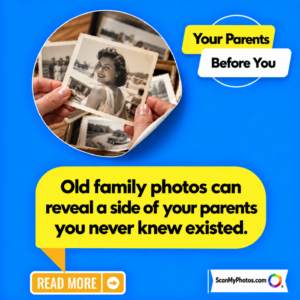
Words explain what happened. Photos help people feel it. A parent can describe the tiny apartment they first shared after marriage. A grandparent can talk about a first car, military service, a beloved dog, or the street where they grew up.
Then one photo appears.
Suddenly, faces and hairstyles come back to mind. Kitchens, porches, vacations, and backyard birthdays feel just a short distance away again. What was once just a story now feels like real life in an instant. That heartfelt reaction is exactly why old photos often become the cherished missing piece in family memory projects.
The Question Almost Every Family Asks
It usually happens the same way.
Someone starts answering prompts from Storyworth or recording memories with Remento. The family laughs, learns new things, and hears stories they never knew. Then someone asks one simple question. “Do we have any pictures from that time?” Now the search begins. Boxes are opened. Albums come down from shelves. Envelopes filled with loose prints appear from closets and garages. A project that started with stories suddenly becomes a photo hunt.
Why So Many Old Photos Stay Hidden
Printed photos were once a part of everyday life. Families developed film, placed prints in envelopes, stacked albums in closets, and planned to organize everything later. Later became years.
Phones replaced prints. Families moved. Life got busy. The boxes stayed where they were. That means millions of families have decades of memories nearby but hard to access.
The Smartest Next Step After Story Books
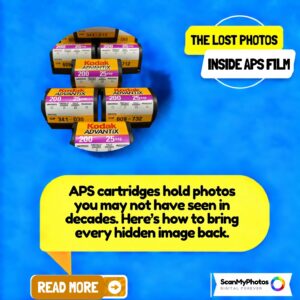
Once photos become digital, everything changes. They are easier to search, share, and back up. It is easier to include in memory books, tribute videos, reunions, anniversaries, and family archives. Some families scan small batches at home. Others use mobile apps or local labs. Families with larger collections often turn to trusted mail-in services like ScanMyPhotos, known for handling high-volume photo-digitizing projects, including pictures, slides, film negatives, reels of home movies, and VHS tapes.
There is no single right path. What matters most is starting.
Why Timing Matters More Than People Think
People delay memory projects because they feel big. Then life creates urgency. A milestone birthday. A retirement. A reunion. A wedding slideshow. A memorial service. A major anniversary. Suddenly, everyone wishes they had started sooner.
Stories are easiest to gather while people can still tell them. Photos are easiest to identify while someone can still point and say, “That’s Aunt Carol in 1968,” or “That was the summer we moved.”
That context cannot be replaced.
How to Start Today Without Feeling Overwhelmed
Start small. Open one box. Ask one parent one question. Scan one box of prints first. Or start with your 250 most important pictures.
Write names on the back of loose photos. Share those vintage pictures in the family group chat. Small beginnings often become the most meaningful family project people ever complete.
Final Thought: Services like Remento and Storyworth are helping families save something precious. The voice of a life. Photos save something equally important. The face of it. When stories and photos come together, family history becomes richer, clearer, and easier to pass forward.
The story may begin with a question. Sometimes the next step is to open the nearby box.
FAQs
What is the best way to preserve old family photos? Digitizing them creates copies that are easier to store, back up, organize, and share.
Should stories or photos come first? Either can come first. Many families begin with stories, then gather photos to complete them.
Why do families use ScanMyPhotos? Many families and large organizations choose ScanMyPhotos when they have large collections of prints, slides, or negatives, or when they have limited time to do it themselves.