What Happens When AI Studies Your Vintage Photos?
Once digitized, AI can study old photos, identify details, and help tell family stories. But before uploading decades of personal memories, families should understand what those images may reveal.
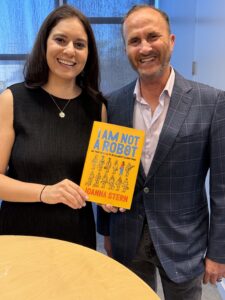 Last night at a Live Talks Los Angeles event with Joanna Stern and John Coogan, a conversation about artificial intelligence turned into something far more personal: old family photos. Joanna was also sharing insights from her best-selling book, I Am Not a Robot.
She shared insights with John about bots, screens, and upcoming technology. I then asked about boxes filled with printed photos, slides, and home movies. As a photo archivist, I shared that I’ve noticed a fun trend: people are digitizing these treasured memories and uploading them to AI tools. This way, they can ask questions like Who is in this picture? Where was it taken? What year does it seem from? What story is unfolding in this image?
That can feel incredible. A box of family photos that sat untouched for years can suddenly become searchable, organized, and full of stories again. AI can help identify places, estimate dates, describe details, and turn forgotten images into something families can finally understand and share.
But the privacy question is just as important as the technology.
A single family photo can reveal faces, ages, locations, schools, cars, clothing, relationships, travel habits, handwritten notes, and major life events. Hundreds of uploaded photos can reveal even more. That is why you should think carefully before putting decades of personal history into any AI system.
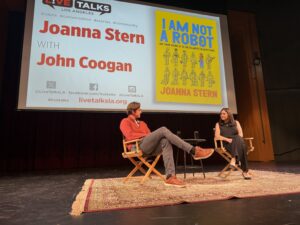 During the event, I asked a straightforward question: how can we be sure that our uploaded chats are genuinely private and not used to train systems, analyze behavior, or create profiles about us? It’s a good idea to always configure chatbots not to archive your data and to choose the “privacy mode” option for extra protection. But, how do you know if it is really private and not shared?
Joanna’s answer was blunt. They need to “see” the images to analyze them, and you have to trust them when you select private mode.
That may be the untold AI story. For decades, printed photos were invisible to technology. Once digitized, they can become powerful personal data. That does not mean people should avoid AI. It means you should use it with your eyes open. Before uploading family history into any chatbot, review privacy settings, training permissions, account controls, and data retention policies. The technology can be helpful, even remarkable. But your personal history could become the next thing AI learns from.
Nothing is free. It can become a tool to study you, predict you, and market back to you. Your photos may reveal where you’ve been, who matters to you, what you value, and what moments still move you. That is potentially alarming because family memories are not just files. They can become a personal profile built from the most private parts of your life.
What People Are Asking AI About Old Photos
5 Creative Ways Families Are Using AI With Old Photos
As a photo archivist, I’m excited about this new trend, once old photos, slides, and home movies are digitized.
- Turn vacation photos into a mini travel diary.
- Use birthday and reunion photos to write warm captions that sound personal, not cheesy.
- Compare scanned slides to spot old cars, clothes, furniture, and places from different decades.
- Turn home movie stills into short memory scripts for anniversaries, birthdays, or memorials.
- Upload mystery photos to create better questions for relatives, so names, dates, and places can finally be remembered before the details are lost.

AI Privacy Issue FAQs
Can AI study old family photos? Yes. Many AI tools can analyze uploaded images, describe details, identify likely settings, and help create written stories.
Should I upload private family photos to AI? Only after checking privacy settings, training permissions, and data policies.
Why does this matter? Old photos can reveal personal details about family, location, history, relationships, and identity.
[Revised May 19, 2026]