Key Takeaways
- Discover five free genealogy research tools that make tracing your family history easy and accessible.
- Local libraries offer free access to genealogy databases, with librarians ready to assist your search.
- The Allen County Genealogy Center provides extensive online resources without needing a library card.
- The National Archives and Ellis Island connect you to real historical records and personal stories of immigration.
- Community-built sites, such as USGenWeb, preserve local histories and smaller, personal records that are often overlooked by larger databases.
Estimated reading time: 5 minutes
Your family history should feel vibrant and accessible, not complicated or costly. These five free genealogy tools help you uncover the stories waiting within your old memories.
The Five Free Genealogy Tools That Bring Your Family Story Back To Life
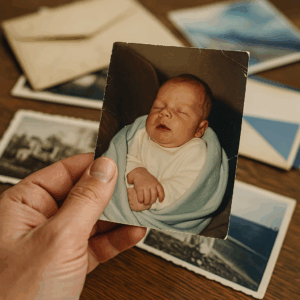 When you hold an old photo, it evokes a warm feeling within you. It’s similar to the sensation you experience when a familiar song plays, and you recall the memory before even hearing the lyrics. Discovering your family history should evoke the same feeling — close, personal, and vibrant—not one that is confusing or expensive. It should be a straightforward journey back to the people who shaped your identity. These five free genealogy tools will help you begin that journey with ease. Each tool opens a small door into your past, allowing you to step through at your own pace.
1. Your local library holds hidden doors to your past
When you walk into a library, you hear pages turning and printers humming. You never expect to find powerful family history tools sitting quietly on their computers. Most libraries offer free access to major genealogy databases. You sign in, type a name, and the story begins to unfold. Librarians are guides in this process. They have seen every kind of family puzzle and know which paths lead to answers. It feels like someone steady is walking with you while you discover where your story begins.
2. The Allen County Genealogy Center sets the gold standard
This center in Indiana is well-known for its popularity, drawing people from all over the country. A significant portion of its extensive collection is available online for free. The resources are organized thoughtfully, allowing you to easily search through records related to military families, early settlers, and the communities that shaped entire regions. You do not need a library card or an in-person visit to access the materials. All you need is curiosity and a willingness to follow a trail of clues that become more meaningful with every click.
3. The National Archives connects you to the real paper trail
When you look at a census page or immigration record from a century ago, you experience something tangible. The past transforms from an abstract concept into something real. These are the actual documents that your ancestors signed, touched, and carried throughout their lives. The National Archives provides many of these records online for free. You might discover a land transfer, a handwritten note, or a military service record that reveals a story no one in your family ever shared. Each page feels like a quiet message from someone who lived long before you.
4. Ellis Island shows the moment your family stepped into a new life
Between 1820 and 1957, millions of people passed through the Port of New York and Ellis Island. Their names were recorded by hand, often capturing a mix of hope and fear on the same line. You can search these arrival lists for free by simply typing in a name and pressing the search button. If a match appears, it evokes an unforgettable feeling—a connection to a place, a time, and a hometown. It provides insight into the journey your family undertook across the ocean.
5. Community-built genealogy sites uncover details no database carries
Some records are too small or too personal for large websites to handle. Volunteers across the country collect local history, cemetery lists, handwritten county notes, and forgotten books, uploading them because they want these stories preserved. Sites like USGenWeb resemble online small towns, where people help one another by sharing clues and uploading pieces of their past for others to discover. It is a place where history feels personal and relatable once more.
Why These Free Tools Matter
Your family story should not sit hidden in a box or on fading paper. It should breathe. It should be touched and remembered. These free tools help you find the details that make you feel connected to the people who shaped your life long before you arrived. As you gather names, stories, and dates, you may realize it is time to safeguard the photos that traveled with those memories. Many families begin their photo digitizing journey right after tracing their roots, because once you know the story, you want the pictures safe and ready for the next generation.
Frequently Asked Genealogy Questions:
Q1: How can I research my ancestors for free? Start with your library. Then search the National Archives and Ellis Island. These are simple first steps.
Q2: What do I do after finding a record? Note the date, location, and names. Small details combine to create a larger narrative.
Q3: Should I digitize my family photos during my research? Yes. Once you learn the stories, you want the pictures safe. Digitizing protects them from loss and helps you share them with your family.
P.S. Your family story is waiting for you. It starts with one name. One search. One spark.
[Revised on November 14, 2025].