
Estate Executors Preserve More Than Assets
Key Takeaways
- Estate executors must safeguard family photographs, videos, and digital memories as part of their responsibilities after a passing.
- Many estate plans overlook who receives family photo albums and digital assets, leading to lost memories.
- Digital estate planning becomes crucial to ensure families retain access to photographs and videos after death, preventing misunderstandings and disputes.
- Before cleanouts, executors should secure all media, identify important individuals, and consider digitizing photos to preserve memories for everyone.
- Conversations about photo inheritance can minimize familial conflict and ensure that the family’s story endures through generations.
Estimated reading time: 7 minutes
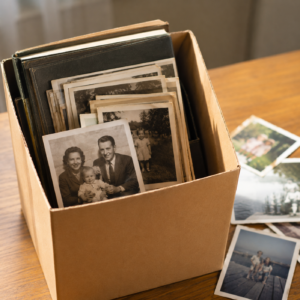
This is one of the most emotionally charged articles I have written. It discusses what an estate executor should do with family photographs after a relative passes. It is often overlooked that estate executors are now also responsible for safeguarding these family printed photographs, slides, videos, and digital memories.
For an estate executor, family photographs can be among the most challenging responsibilities following a person’s passing. The executor might anticipate handling paperwork, engaging attorneys, managing bank accounts, completing insurance forms, conducting appraisals, complying with tax requirements, and making decisions regarding real estate. Subsequently, the entrance door opens, the house takes on an air of stillness, and the true responsibilities begin. Inside a wardrobe, there may be stacks of photograph albums; in a drawer, letters secured with fading ribbons; on a garage shelf, slides, negatives, VHS tapes, home movies, and boxes of loose prints. A mobile device could contain twenty years’ worth of birthdays, vacations, holidays, screenshots, videos, and voicemails. Moreover, a laptop, cloud storage account, or external hard drive may contain thousands of additional memories that have yet to be organized.
The executor came to settle an estate. Instead, they inherited a family’s story.
The Inheritance Nobody Lists
Most estate plans specify who receives the house, accounts, jewelry, furniture, and family heirlooms. Far fewer specify who should receive the family photo albums, who knows the names in the pictures, or where digital photo libraries are stored. That missing detail matters. Years after probate ends, families may not talk much about the paperwork. They remember the faded snapshot of grandparents dancing in the kitchen, the father’s military portrait, the child’s first birthday, the last family vacation, or the handwritten note tucked behind an album page. These items may have little financial value, but they often become priceless after someone is gone.
After helping preserve photographs for families across America since 1990, ScanMyPhotos has seen the same lesson again and again. Families rarely regret saving too much. They often regret waiting too long.
The New Memory Map
Family memories no longer live in one box. They may be scattered across printed albums, shoeboxes, slides, negatives, home movies, smartphones, computers, USB drives, memory cards, external hard drives, cloud photo libraries, email accounts, social media profiles, voicemail files, and digital picture frames.
That is why digital estate planning matters now. A recent Purdue Global Law School article explains that a digital estate plan should identify digital assets, include access details such as passwords, and specify how each asset should be handled after death. It also notes that a person may want loved ones to access online photos but not social media accounts. Without a plan, families can quickly lose access. Passwords vanish. Two-factor authentication blocks entry. Old phones are reset. Computers are recycled. Cloud libraries are forgotten. A hard drive stops working. A box of negatives is thrown away because no one has a viewer. The loss does not happen because families do not care. It happens because grief, deadlines, and house cleanouts move faster than memory.
Before Anything Is Thrown Away
The smartest first step is simple.
- Secure every photograph, album, slide, negative, video, letter, labeled envelope, storage device, phone, and computer before the estate cleanout begins. Keep everything in one safe place until the family can review it.
- Do not divide albums too quickly. If several relatives want the same memories, create digital copies before originals are distributed. Preserve handwritten captions, album pages, envelopes, and notes because those small details often hold the missing names, dates, places, and stories.
- Ask relatives to help identify people while they still can. One conversation with an aunt, cousin, sibling, or family friend may solve mysteries that would otherwise disappear forever. Check computers, phones, cloud accounts, backup drives, email attachments, and memory cards. Label home movies and old tapes before they are damaged, misplaced, or discarded.
- The goal is not to turn the executor into a professional archivist. The goal is to slow down before anything irreplaceable is lost.
The Story Worth Saving
Everyone should have this conversation before it becomes urgent. Who should receive the original albums? Who knows the people in the photographs? Where are the digital backups? Are there home movies? Are there old phones or laptops with pictures on them? Should the photographs be digitized before the originals are divided?
These inquiries can help prevent misunderstandings, minimize familial disputes, and safeguard irreplaceable memories. An executor is responsible for distributing assets; however, this individual often also serves as the family historian. Long after the estate settlement, grandchildren may not inquire about the house’s sale price. Instead, they might ask about the identities of the laughing couple in the faded photograph. They may wish to hear the voice of a grandparent once more or to see the place of their origins.
Most estate plans explain who inherits the property. Perhaps it is time they also explain who inherits the family’s story.

Estate Executor Family Photos FAQs
What should an estate executor do with family photos after someone dies? An estate executor should secure all photographs, albums, slides, negatives, videos, phones, computers, cloud accounts, and storage drives before the estate cleanout begins. Then the family should identify people, places, dates, and important events while relatives are still available to help.
Are family photographs part of an estate? In many cases, original family photographs are treated as personal property unless a will, trust, or other legal document says otherwise. If relatives disagree about ownership, the executor should ask an estate attorney for guidance.
Should old family photos be digitized before they are divided? Yes, this is often the fairest option. Digital copies allow several relatives to share the same memories. Original albums, prints, slides, or negatives can be preserved or distributed separately.
What digital memories should an executor look for? Executors should look for photos and videos stored on smartphones, laptops, tablets, external hard drives, USB drives, memory cards, cloud libraries, email accounts, social media profiles, voicemail files, and digital picture frames.
What should never be thrown away during an estate cleanout? Families should carefully review labeled albums, original photographs, negatives, slides, home movies, handwritten letters, journals, military records, family Bibles, certificates, old computers, phones, and storage devices before discarding anything.
How can families avoid arguments over inherited photos? Families can reduce conflict by talking early, identifying meaningful albums, digitizing collections before dividing originals, and documenting who receives important photographs, letters, videos, and keepsakes.
[Revised on June 30, 2026].
Final Thoughts
Settling a loved one’s estate is about far more than paperwork. Alongside every legal document are the stories, faces, and moments that make a family unique. Whether you’re working through an estate executor checklist, completing an estate cleanout checklist, or wondering who gets family photo albums, remember that these decisions shape your family’s future as much as they honor its past.
If you’ve inherited boxes of inherited family photos, take time to begin organizing inherited photographs before they’re misplaced or accidentally discarded. Creating a digital family archive is one of the most meaningful ways to protect your family’s legacy while supporting modern digital estate planning. It also ensures that your loved one’s digital assets after death, along with treasured photographs, remain accessible for future generations.
The greatest gift you can leave isn’t simply an organized estate. It’s the ability for children, grandchildren, and generations yet to come to experience your family’s story. Thoughtful family history preservation helps preserve family memories after death, turning old photographs into lasting connections that continue to bring people together long after the estate has been settled.